
First Apartment Kitchen Essentials That’ll Save Your Life (and Your Wallet)
First apartment kitchen essentials are non-negotiable, bestie because moving into your first apartment? Absolutely electric. You’ve got your own space, your own rules, and the freedom to blast Taylor Swift at 2am without your mom banging on the door.
But then you walk into that empty kitchen with its sad, echoey cabinets and zero clue where to start? Suddenly that excitement hits a wall harder than your bank account after security deposit. Terrifying.
Don’t worry, I’ve got you. I’ve been there, standing in the middle of a bare kitchen with a single plastic spatula and a dream, wondering if I could somehow survive on takeout forever. (Spoiler: My wallet said absolutely not.)
Consider this your official survival guide to not living off delivery apps for the next year. We’re talking the real deal essentials. No overpriced gadgets that’ll collect dust, no “maybe someday” wishlist items, just the tried-and-true MVPs that’ll take you from “I literally can’t boil water” to “hosting brunch and feeling like I have my life together.”
Whether you’re a total kitchen newbie who thinks sautéing is a type of dance, or you’re ready to channel your inner Gordon Ramsay (minus the yelling), this list has your back. We’re keeping it budget-friendly, space-conscious, and actually realistic for apartment life, because nobody has room for a pasta extruder, bestie. Nobody.
I may earn a small commission (aka my “treat myself to an iced latte” fund) at no extra cost to you. Think of it as tipping me for saving you from buying 47 useless gadgets you’ll never touch. No pressure though, your wallet, your rules. Transparency is hot, but so is being a savvy shopper.
Index
- How do I organize my kitchen in a new apartment?
- Dinnerware essentials for your first apartment kitchen
- Our list of 18 essential kitchen necessities
- 1. Good quality frying pan
- 2. Saucepan with lid
- 3. Cutting board and sharp knives
- 4. Mixing bowls
- 5. Toaster
- 6. Coffee maker or kettle
- 7. Can opener
- 8. Peeler
- 9. Measuring cups and spoons
- 10. Colander or strainer
- 11. Set of plates and bowls
- 12. Drinking glasses
- 13. Mugs
- 14. Flatware set
- 15. Wooden spoons
- 16. Box grater
- 17. Baking supplies
- 18. Food storage containers
How do I organize my kitchen in a new apartment?
Start with zones, bestie. Your kitchen is basically a tiny studio apartment for your stuff. Everything needs its own corner or it’s going to be chaos.
The Coffee Station: This is sacred ground, okay? We’re talking hallowed halls. Keep it by your caffeine source (obviously) with your mugs, beans, and that adorable creamer you pretend you don’t need while secretly mainlining it. Morning you is a zombie. Morning you will absolutely not remember where you put the filters. Set it up right or suffer the consequences before you’ve had a single sip. We’re not savages.
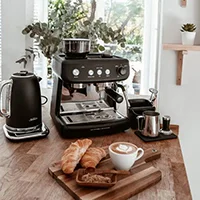
Stylish & Unique Coffee Bar Ideas to Start Your Morning Right
If coffee is the glue holding your personality together before sunrise, then your setup cannot, I repeat, cannot, look accidental. Coffee bar ideas are not optional if caffeine is your personality trait.
The Cooking Zone: Right by the stove, because running across the kitchen with a hot pan is a disaster waiting to happen and your security deposit doesn’t cover “I panicked and dropped stir-fry everywhere.” Spatulas, wooden spoons, oil, salt, pepper, your ride-or-dies live here. Everything else can fight for drawer space like it’s the Hunger Games.
The Prep Area: Wherever you actually have counter space. (RIP if you have a galley kitchen, I feel you in my soul. We’re working with what we’ve got and crying about it later.) Cutting board lives here. Knife block lives here. That one bowl you use for literally everything: mixing, serving, occasionally eating cereal straight from it at midnight? Yeah, you already know where that goes.
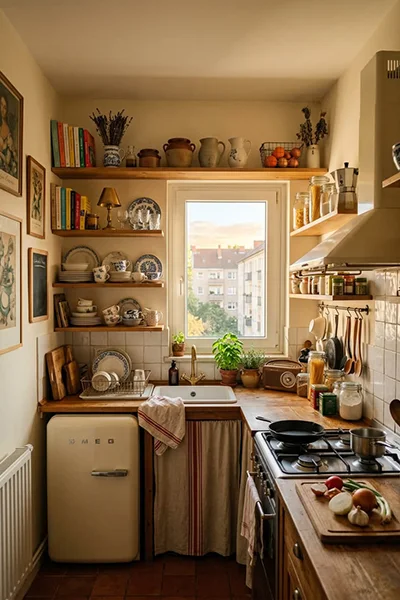
The “I Give Up” Drawer: We all have one. Don’t lie. Random takeout utensils, that one mystery lid that fits nothing, batteries from 2019, three soy sauce packets you’re definitely saving for “emergencies.” Embrace the chaos, but keep it contained. If it starts spilling into a second drawer, we need to have a serious talk about your life choices.
Golden rule: If you use it daily, it lives at eye level. No exceptions. That fancy pasta maker your aunt got you as a graduation gift? Top shelf energy until you actually learn to use it, which let’s be real, might be never, and that’s okay. We accept our pasta comes from boxes now. The air fryer you swore would change your life? Middle shelf, front and center, or it’s just expensive cabinet decor collecting dust and your guilt.
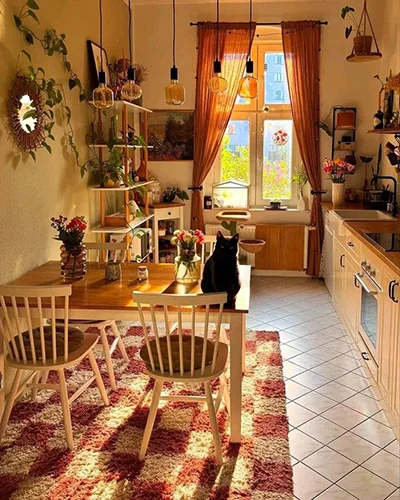
Pro tip: Command hooks are your best friend for aprons, pot holders, and that one pan you use every single day. Vertical space is free real estate when your cabinets are the size of shoeboxes. Your landlord can’t charge you for wall damage if you do it right. (Do it right. I’m not paying for your lost deposit.)
And please, for the love of all things organized: Label your containers. I don’t care how “good” your memory is. Future you will not remember if that’s flour or powdered sugar, and one ruined batch of cookies, one sad, salty, disgusting batch, is all it takes to learn that lesson the hard way. Sharpie and masking tape. We’re not fancy, we’re functional.
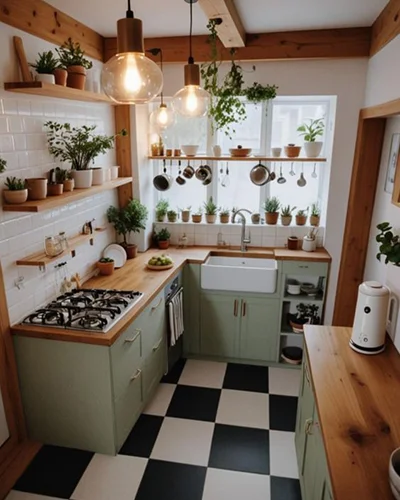
Final boss tip: If you haven’t touched it in six months, donate it. That bread maker? Bye. The spiralizer? Girl, you bought zoodles pre-spiralized last week. Be ruthless. Your tiny kitchen has no room for “aspirational” you. It only has room for “actually cooks dinner more than once a week” you.
Here’s the first key question to ask yourself:
How will I use my kitchen?
This might seem simple, but it’s the foundation for a well-organized space. And by “simple,” I mean most people skip this entirely, shove everything wherever it fits, and then wonder why they can’t find a spatula while their eggs are actively burning. Don’t be most people, bestie. We’re better than that.
Consider your cooking habits and I need you to be brutally honest here:
Do you whip up elaborate meals nightly, or are you a master of quick and easy dishes? Let’s get real. If your idea of “cooking” is assembling a charcuterie board and calling it dinner, you don’t need seventeen specialty pans and a sous vide machine. If you’re out here making homemade pasta on a Tuesday, respect, but also, why are you lying to yourself about that pasta maker you definitely bought, used once, and now use as a very expensive paperweight?
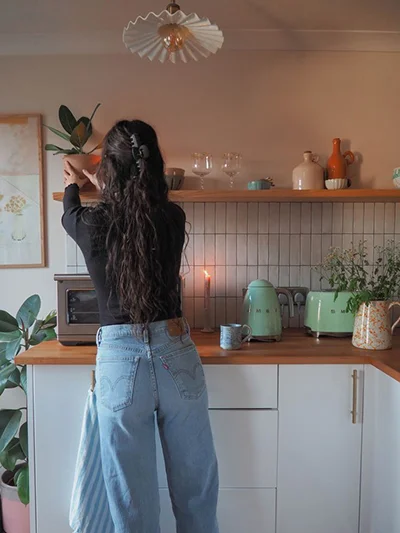
Do you entertain frequently, or is your kitchen a solo operation? If you’re hosting brunch every weekend, you need actual serving dishes and enough matching plates that your guests don’t think you robbed a thrift store. If your “guests” are just you and your cat watching Netflix in silence, prioritize snacks and solo wine glasses. No shame in either game, but know your truth.
Do you have limited counter space, or do you have ample room to spread out? Most first apartments are giving “cook in shifts” energy with approximately six inches of usable surface area. If you can barely fit a cutting board without playing culinary Tetris, every single item needs to earn its damn keep. No room for “maybe someday” gadgets that sit there judging you while you eat cereal for dinner.
By understanding your actual cooking style and space limitations, you can create an organizational system that works for YOU instead of some Pinterest fantasy where you have a butler’s pantry, unlimited time, and the energy to decant your cereal into aesthetic glass jars like some kind of influencer. We’re keeping it real here. Your kitchen should work for your actual life, not the life you pretend to have on Instagram.
Declutter Your Kitchen by Tossing These 10 Things
Ready for a kitchen transformation? Today, we’re diving headfirst into the realm of how to declutter your kitchen, armed with a comprehensive list of 10 items that you should bid farewell to.
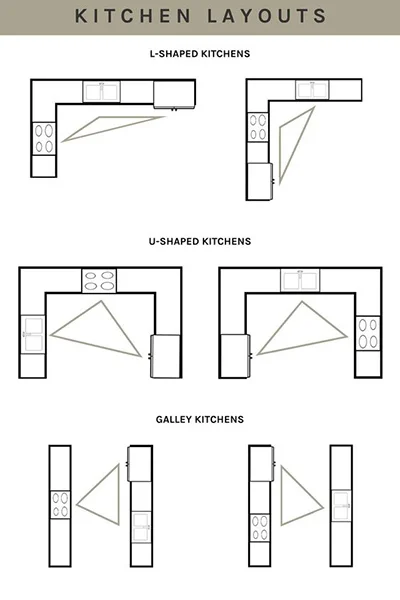
The “Golden Triangle” Principle
Imagine a triangle connecting your sink, stovetop, and refrigerator. This is your “golden triangle,” and no, it’s not just a fancy way to make organizing sound mystical and expensive. Your most-used items, pots, pans, utensils, dishes, need to live within easy reach of this zone.
Translation: Stop storing your everyday plates in that cabinet above the fridge that requires a step stool, a prayer, and possibly a spotter to reach. You’re not climbing Mount Everest for a cereal bowl at 7am when you’re already running late and questioning your life choices.
Accessibility Matters
Think about how often you use an item. Daily essentials like plates, bowls, and cutlery? Lower cabinets or drawers, front and center. You shouldn’t need to perform an archaeological dig through three layers of forgotten Tupperware every time you want toast.
Less frequently used items, that giant serving platter for the one Thanksgiving you host, your “fancy” dishes for when your parents visit and you need to pretend you’re thriving, the holiday cookie cutters you swear you’ll use, can get banished to higher shelves or that awkward cabinet above the microwave. Out of sight, out of mind, but still there when you need to fake having your life together.

Leverage Vertical Space
Don’t underestimate the power of going UP, bestie! Cabinet risers, hanging pot racks, wall-mounted shelves, these are your ride-or-dies when your counter space is the size of a postage stamp and your landlord said no to knocking down walls.
That blank wall above the sink? Potentially a home for your most-used utensils instead of that sad print you never hung. The back of your cabinet doors? Prime real estate for spice racks or measuring cups that are currently just rolling around in a drawer like they own the place. Think like a tiny house person, even if you’re just in a studio with delusions of grandeur and a Pinterest board full of unattainable dreams.
Categorize and Contain
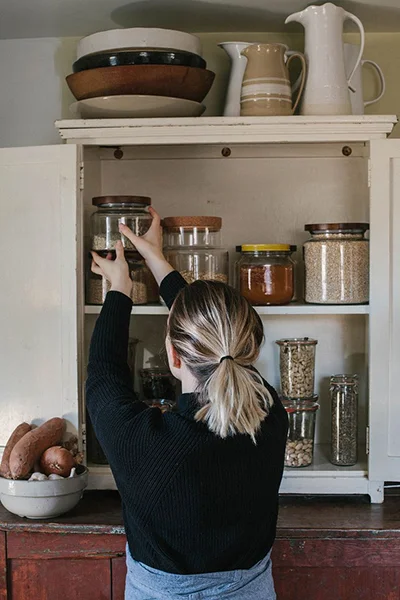
Group similar items together and yes, this means actually thinking about where things go instead of the “shove it wherever it fits and slam the door before it falls out” method you’ve been using.
- Cooking utensils get their own drawer (stop letting them mingle with the takeout forks like some kind of cutlery party you didn’t approve)
- Spices live together in one zone (not scattered across three cabinets like they’re playing hide-and-seek and you’re always losing)
- Canned goods get a pantry shelf or designated cabinet (not just wherever they land when you get home from the store)
- Baking supplies get corralled so you’re not hunting for vanilla extract while your oven preheats and your stress level hits the roof
Clear containers are chef’s kiss for this, you can see what you have, and you’re more likely to actually use it instead of buying a third bottle of cinnamon because you forgot you already had two hidden behind the expired quinoa you’ll never eat.
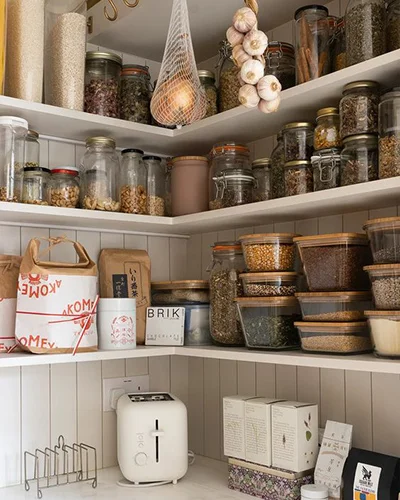
Utilize Lazy Susans or Turntables
These rotating platforms are lifesavers for deep cabinets or corner shelves aka the black holes where items go to die and decompose into forgotten artifacts. Suddenly that soy sauce from 2022 and your random hot sauce collection from various failed relationships are actually accessible instead of archaeological discoveries.
Spin it, grab it, done. No more emptying half your cabinet onto the counter just to find the paprika that’s been hiding behind three cans of beans since the Obama administration.
Pro Tip: Label Everything!
Clear labels on shelves and containers make it easy for everyone including future you at 6am when you can barely form sentences and definitely can’t remember where you put the coffee filters to find what they need and actually put it back where it belongs.
Sharpie on masking tape works. Fancy label makers work. Whatever gets you to stop playing “guess what’s in this mystery container” every time you cook, only to discover it’s not flour, it’s powdered sugar, and now your dinner is ruined. Your kitchen, your rules, but please some kind of system. Future you is begging.
Dinnerware Essentials for Your First Apartment Kitchen
You’ve organized your space now let’s set the table. Quality over quantity, bestie. Your tiny cabinets can’t handle 47 mismatched plates from your aunt’s garage sale.
The Core Collection (2-4 settings max):
- Dinner Plates (2-4): ~10 inches. Big enough for actual meals, small enough for your tiny dishwasher.
- Bowls (2-4): 16-20 oz. Cereal, pasta, midnight ice cream — the holy trinity.
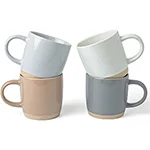
- Mugs (2-4): 12-16 oz. Get ones that spark joy. Morning you deserves better than a sad corporate freebie.
- Cutlery (2-4 settings): One decent set beats 12 random forks from takeout.
Bonus (if you actually have room):
- Salad plate for sides
- Soup bowl for cozy vibes
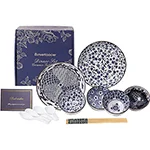
Dinner plate and bowl set
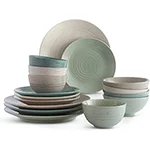
Minimal Dinner Set
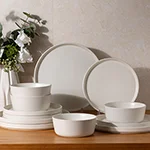
Milkyway dinnerware Set
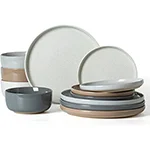
Japanese Dinnerware Set
famiware Coffee Mugs
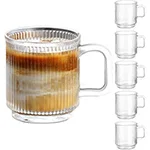
Glass Coffee Mugs
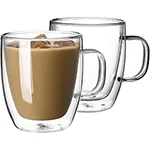
Double Wall Glass Mugs
Glass Coffee Mugs
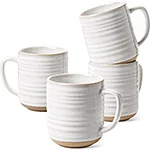
Material checklist: Sturdy (you’re clumsy), microwave-safe (leftovers are life), dishwasher-safe (because hand-washing is a scam).
Pro tip: Mix and match colors if you want personality. Solo dining doesn’t have to look like a hospital cafeteria.
Our list of 18 essential kitchen necessities
1. A Good Quality Frying Pan
This is your ride-or-die, bestie. Whether you’re a seasoned chef or someone who just learned how to boil water last week, a solid frying pan does the heavy lifting. Scrambled eggs at 8am? Check. Searing salmon to impress a date? Check. Sautéing vegetables while pretending you’re on a cooking show? Absolutely.
Here’s what actually matters when you’re shopping:
- Stainless steel: Durable, works on every cooktop including that fancy induction one you don’t have yet. Downside? Everything sticks to it like your ex in your DMs. Requires actual technique (or a lot of oil).
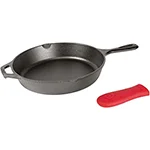
- Cast iron: Basically indestructible, handles high heat like a champ, and gets better with age like a fine wine or George Clooney. But it’s heavy AF, takes forever to heat up, and you’ll need gym membership-level arm strength to flip anything.
- Non-stick: The crowd favorite because eggs slide right off and cleanup is a dream. Just don’t crank the heat to hell and back, and maybe don’t use metal utensils like a savage. That coating will ghost you eventually, but they’re cheap enough to replace.
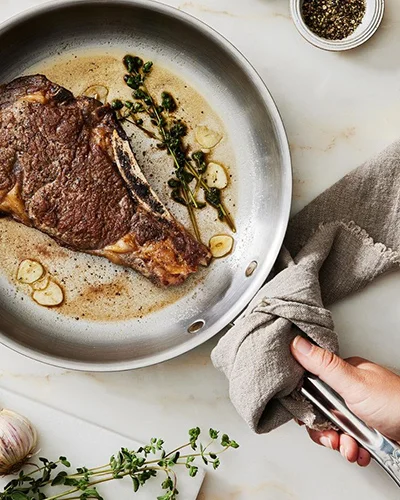
Size: 10-12 inches is the sweet spot. Big enough for actual meals, small enough to fit in your tiny sink.
Weight: Heavier = better heat retention. Lighter = you won’t need physical therapy after making stir-fry. Choose wisely.
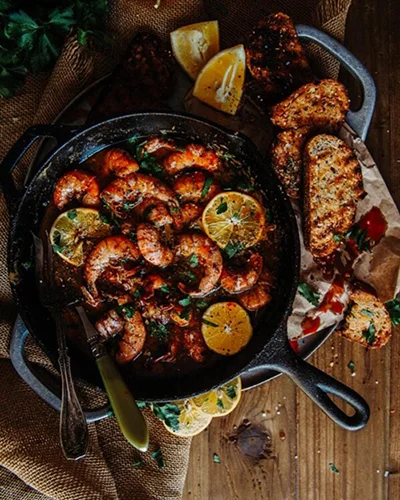
Heat source: Make sure it works with your stove. Nothing sadder than bringing home a gorgeous pan that doesn’t vibe with your rental apartment’s ancient electric coils.
Bottom line: Get one good pan, treat it right, and it’ll carry your kitchen game for years. Or until you burn something irreparably and need an emotional fresh start.
Lodge 12 inch skillet
2. Saucepan with a Lid
A saucepan with a lid is another essential item for any kitchen, solo or not. It’s a versatile pot that can be used for a variety of tasks, such as boiling pasta, simmering sauces, and heating soups.
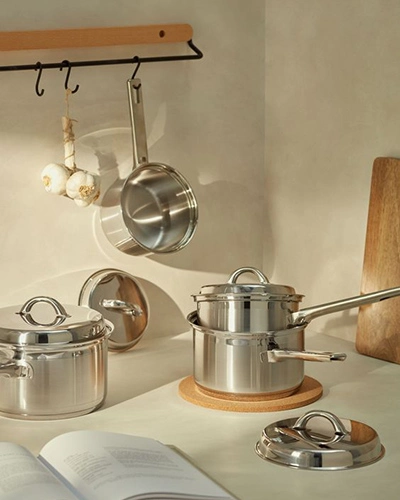
Here are some things to consider when choosing a saucepan with a lid:
Material
Similar to frying pans, saucepans come in various materials:
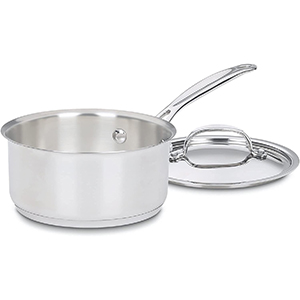
Stainless steel is durable, easy to clean, and can be used on all cooktops, including induction. However, it may not distribute heat as evenly as some other materials.
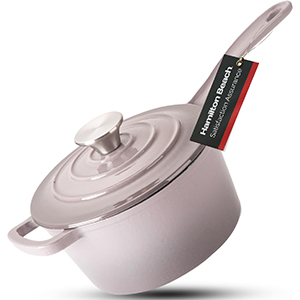
Enameled cast iron is another good choice for a saucepan. It heats up evenly and retains heat well. Enameled cast iron pans are also relatively easy to clean.
Cuisinart 1.5 Quart Saucepan
Hamilton Beach Enameled Cast Iron Sauce Pan
Size
The size of your saucepan will depend on your needs. A 2- to 3-quart saucepan is a good all-purpose size.
Lid
Look for a saucepan with a tight-fitting lid. This will help to trap heat and moisture, which is important for simmering and boiling.
3. Cutting Board and Sharp Knives
A good cutting board and sharp knives are the dynamic duo of any kitchen. They work together to make food prep a breeze, saving you time and frustration.
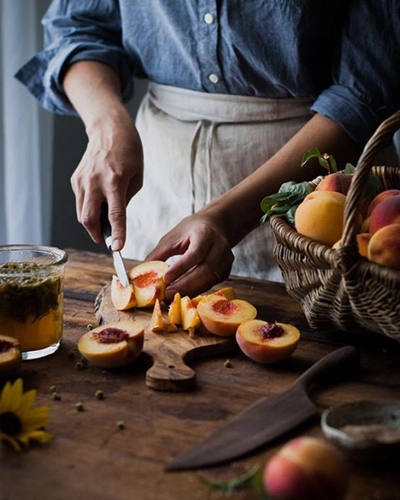
Here’s what you need to consider when choosing these essential tools:
Cutting Boards
There are two main options:
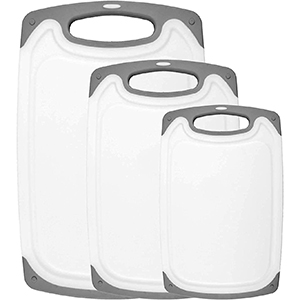
Plastic: Affordable, lightweight, and dishwasher safe. However, they can show knife marks more easily and may not be as durable as wood.
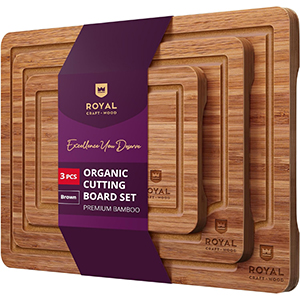
Wood: More expensive than plastic, but beautiful, durable, and gentler on knives. Choose hardwood options like maple or walnut for longevity.
ROYAL CRAFT WOOD Wooden Cutting Boards
Cutting Boards for Kitchen BPA Free
Sharp Knives
Invest in Quality: A good knife will stay sharper longer, making it safer and more efficient to use.
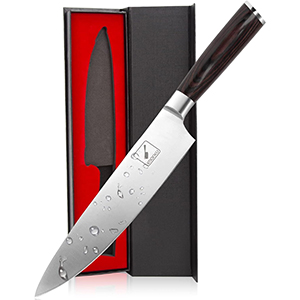
Start with a Chef’s Knife: This versatile knife is your workhorse for most chopping, slicing, and dicing tasks. An 8-inch chef’s knife is a good all-purpose size.
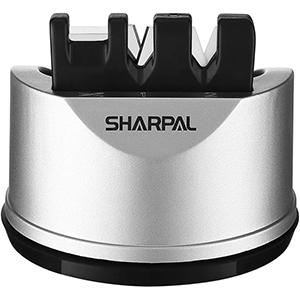
Sharpening is Key: Even the best knives need to be sharpened regularly. Invest in a good sharpening steel or learn how to use a whetstone.
Japanese Chef Knife
Knife Sharpener
4. Mixing Bowls
Mixing bowls are the unsung heroes of the kitchen. They’re essential for everything from whipping up a batch of pancake batter to tossing a salad.
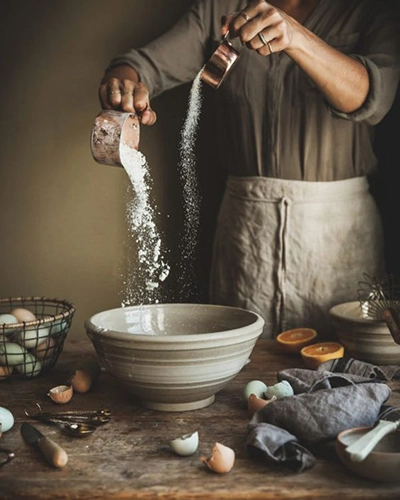
Here’s a guide to selecting the perfect mixing bowls for your solo kitchen:
Material Matters
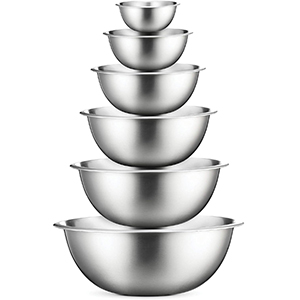
Stainless Steel: Durable, easy to clean, and won’t stain or absorb odors. However, they can be a bit noisy when whisking and show scratches over time.
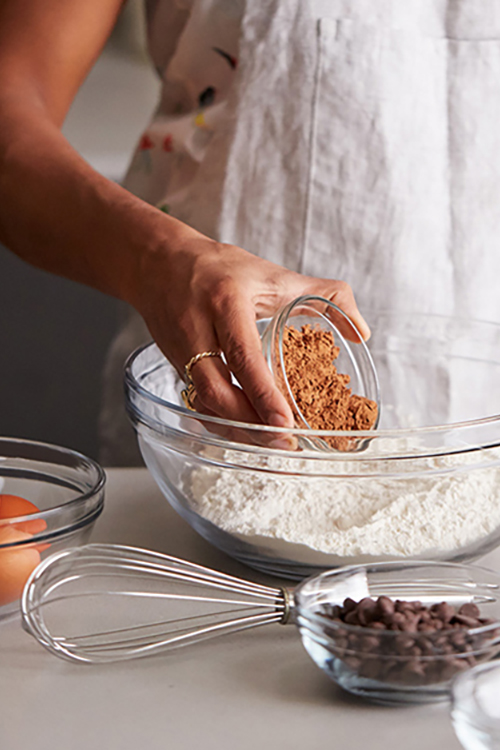
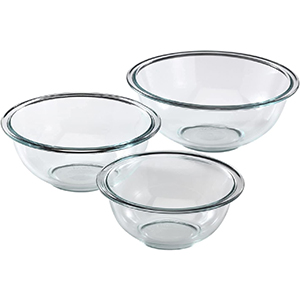
Glass: Affordable, easy to clean, and allows you to see the contents of the bowl while mixing. However, glass bowls can be heavy and prone to breakage.
Plastic: Lightweight, affordable, and come in a variety of colors. However, plastic bowls can scratch and warp over time, and some may not be dishwasher-safe.
Nesting vs. Individual Bowls
Nesting Bowls: These bowls come in different sizes that fit inside each other, saving cabinet space. Ideal for solo cooks with limited storage.
Individual Bowls: Offer more flexibility in size selection, but can take up more cabinet space.
Size Considerations (for Solo Kitchens)
Small Bowl (1-2 quarts): Perfect for whisking eggs, mixing salad dressings, or preparing small batches of dips.
Medium Bowl (2-3 quarts): A versatile size for mixing pancake batter, tossing a salad, or marinating meats.
Large Bowl (optional) (4-5 quarts): Great for making large batches of dough or popcorn, but not essential for solo cooking.
Pyrex Mixing Bowl Set
Stainless Steel Mixing Bowls Set
5. Toaster
When it comes to toasters for your solo kitchen, there are a few key factors to consider:
Space Efficiency
Solo living often means limited counter space. Look for a compact 2-slice toaster that won’t dominate your countertop.
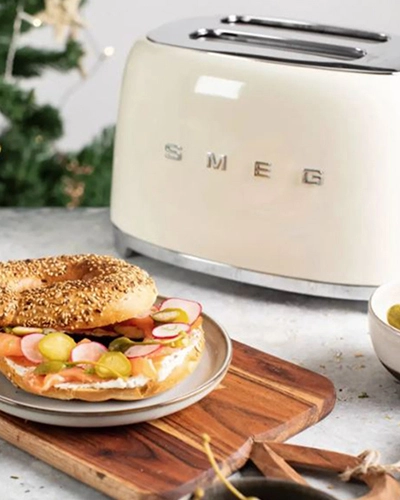
Functionality
Basic toasting is essential, but consider features that suit your needs. Do you want defrost and reheat settings? A wider slot for bagels or thick bread?
Budget
Toasters come in a variety of price points. Determine how much you’re comfortable spending and choose features that align with your budget.
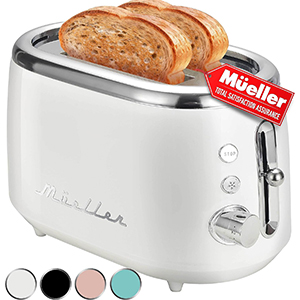
Mueller Retro Toaster
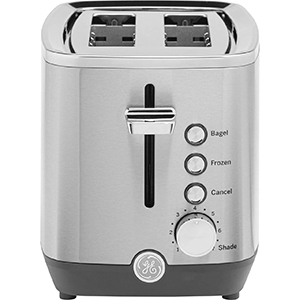
GE 2 Slice Stainless Steel Toaster
6. Coffee Maker or Kettle
Ah, the age-old debate: coffee maker or kettle for your solo kitchen?
Both have their merits, and the best choice depends on your coffee habits and priorities.
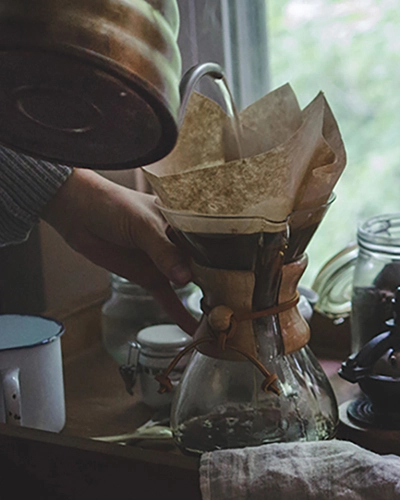
Here’s a breakdown to help you decide:
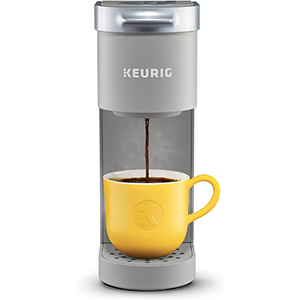
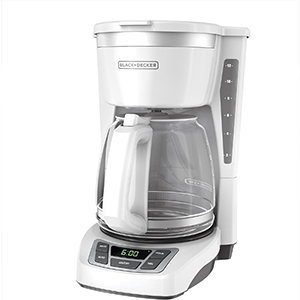
The Coffee Maker
Convenience: Coffee makers are incredibly convenient. Simply add coffee grounds and water, press a button, and enjoy a fresh pot of coffee.
Variety: Many coffee makers offer different brewing options, like strength settings or programmable brewing times.
Multiple Servings: Great if you occasionally have guests or enjoy having leftover coffee for iced coffee later.
Keurig K-Mini Single Serve Coffee Maker
BLACK+DECKER 12-Cup Digital Coffee Maker
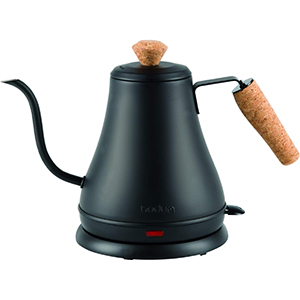
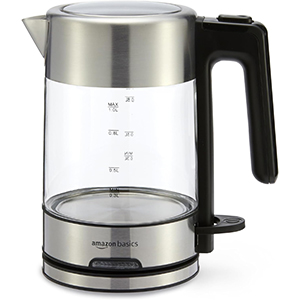
The Electric Kettle
Compact: Kettles are small and take up minimal counter space, perfect for solo kitchens.
Versatility: Beyond coffee, kettles can be used for boiling water for tea, instant soups, or oatmeal.
Speed: Kettles heat water quickly, so you can enjoy your coffee faster.
Minimal Cleaning: Easy to clean, often just requiring a wipe down.
Bodum 27oz Gooseneck Kettle
Amazon Basics Electric Glass and Steel Kettle
7. Can Opener
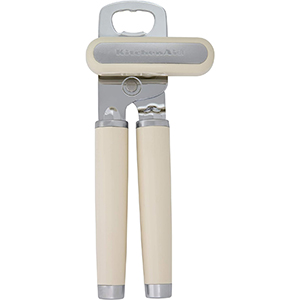
A can opener, a humble yet indispensable kitchen tool, effortlessly transforms sealed cans into accessible ingredients, ensuring your culinary creations are limited only by your imagination.
Its simple design belies its significance, making it a must-have for every kitchen, especially in your first apartment.
KitchenAid Classic Multifunction Can Opener
8. Peeler
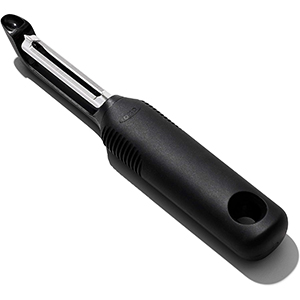
A peeler, a sleek kitchen sidekick, effortlessly strips away the outer layers of fruits and vegetables, making food preparation a swift and satisfying task.
Its ergonomic design and sharp blade simplify the process, adding ease to your cooking adventures in your first apartment.
OXO Swivel Vegetable Peeler
9. Measuring Cups and Spoons
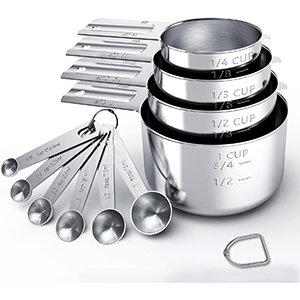
Equipping your solo kitchen for measuring success is simple! Focus on a core collection of measuring cups (1-cup, 1/2-cup, 1/4-cup) and spoons (1 tablespoon, 1 teaspoon, 1/2 teaspoon, 1/4 teaspoon).
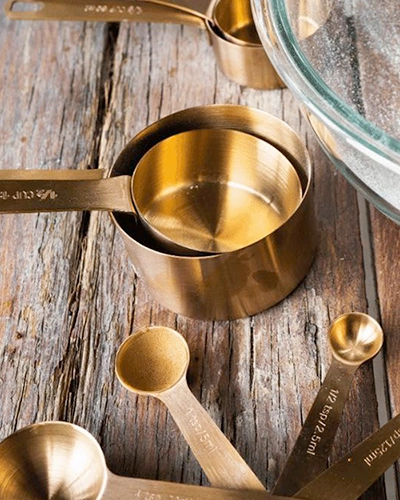
Nesting options save space, and plastic or stainless steel are common choices.
Measuring Cups & Spoons
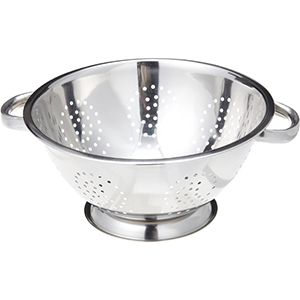
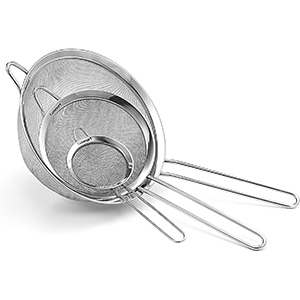
10. Colander or Strainer
The choice between a colander and strainer depends on what you’re trying to achieve:
Colander: Ideal for draining large quantities of liquids from solid foods like pasta, vegetables, or canned goods. It has larger holes that allow water to flow through quickly.
Strainer: Perfect for separating smaller solids from liquids. It has a fine mesh that catches things like tea leaves, fruit pulp, or tiny grains like quinoa.
Stainless Steel Colander
Cuisinart Mesh Strainers
11. Set of Plates and Bowls
Living solo doesn’t have to mean skimping on style or functionality when it comes to dishes!
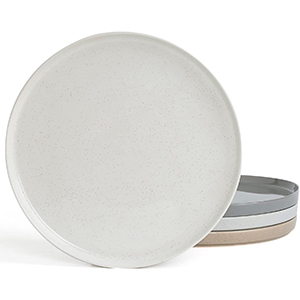
Here’s the perfect dinnerware set for your culinary adventures:
Plates (4): Choose 10-inch plates that offer a good balance for most meals. You won’t need a massive set, and this size ensures you have enough for leftovers or the occasional guest.
Bowls (4): Opt for versatile bowls around 16-20 ounces. These will be perfect for cereal, pasta, soups, salads, or even quick snacks.
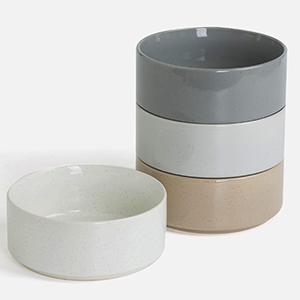
Nebula 4 Pieces Dinner Plates
Nebula Bowls Set
12. Drinking Glasses
Kick back and enjoy your solo meals in style! Two versatile glasses (12-16 ounces) are perfect for water, juice, or even a casual evening drink. Choose highball or tumbler styles for their all-purpose functionality.
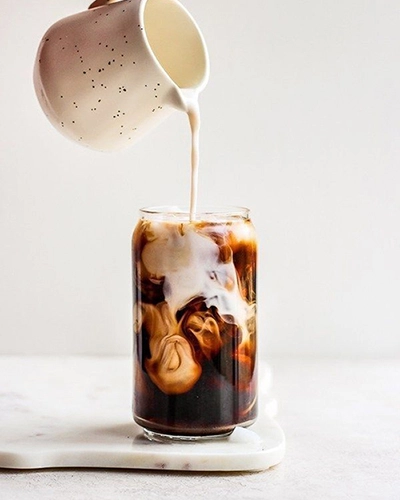
NETANY Drinking Glasses
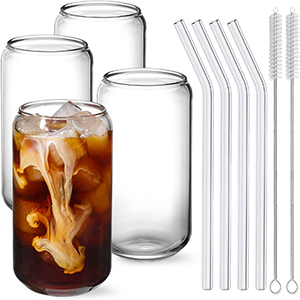
Elegant Glass Set

13. Mugs
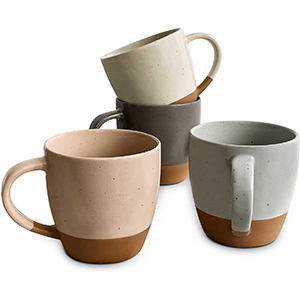
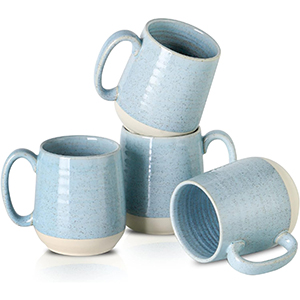
Curl up with a mug that speaks to your soul! In a solo kitchen, a 12-16 ounce mug is your perfect coffee (or tea!) companion.
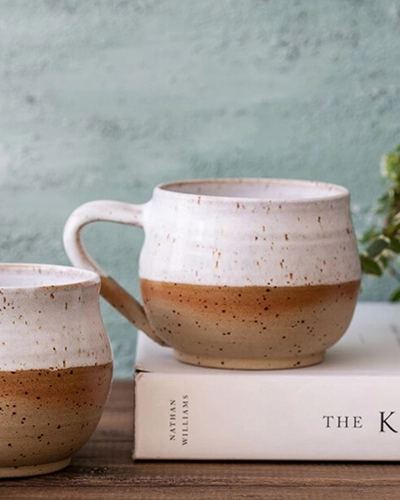
Choose ceramic for a classic feel and heat retention, or opt for stainless steel for on-the-go durability.
Ceramic Large Latte Mug Set
Hasense Mug Set
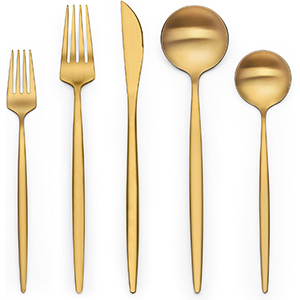
14. Flatware Set
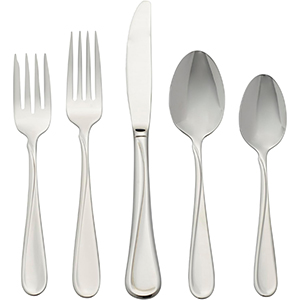
Ditch the bulky utensil drawers! In a solo kitchen, focus on a streamlined flatware set for a more special dining experience.
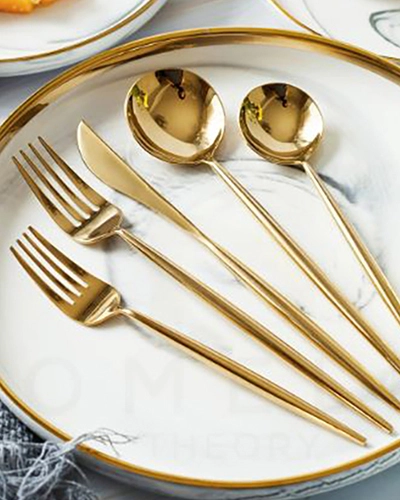
A 4-piece set with a dinner fork, knife, spoon, and (optional) teaspoon is perfect for tackling most meals. Invest in quality stainless steel for durability and ease of cleaning, or explore black or colored options for a personal touch.
Oneida 20-Piece set
Gold Silverware Set
15. Wooden Spoons
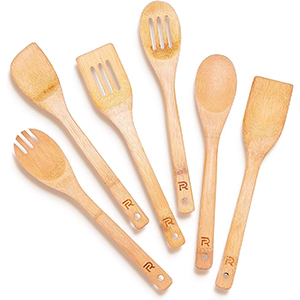
The humble wooden spoon: a workhorse in any kitchen, but especially valuable in a solo cook’s space. Its gentle touch protects nonstick surfaces while stirring sauces or mixing batters.
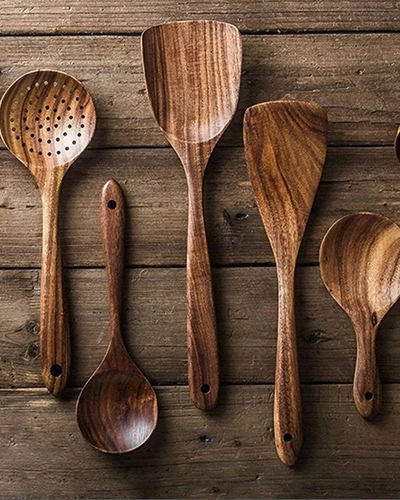
Unlike metal, it won’t scratch your precious pots and pans. Plus, the natural wood adds a touch of warmth and rustic charm to your solo kitchen adventures.
Bamboo Wooden Spoons
16. Box Grater
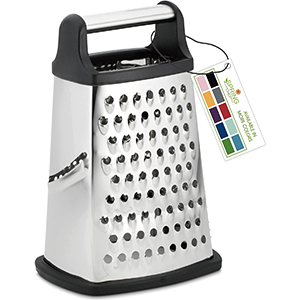
The box grater, a humble yet mighty tool, is a workhorse for shredding and grating a variety of ingredients in your solo kitchen.
Imagine fluffy parmesan cheese blanketing your pasta, refreshing citrus zest brightening up your cake, or perfectly grated zucchini for a light and healthy stir-fry – the box grater makes all these culinary feats possible!
Spring Chef Professional Cheese Grater
17. Baking Supplies
While baking may seem daunting in a solo kitchen, fear not! With a few essential tools, you can whip up delicious single-serving treats or conquer layer cake ambitions.
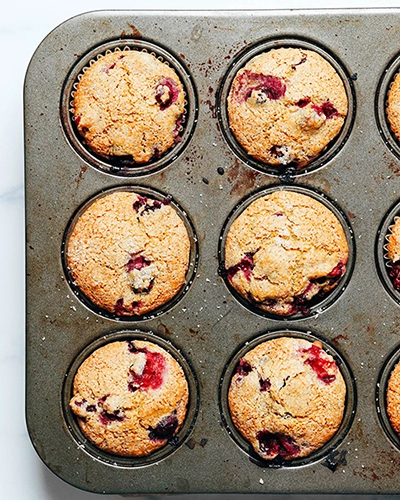
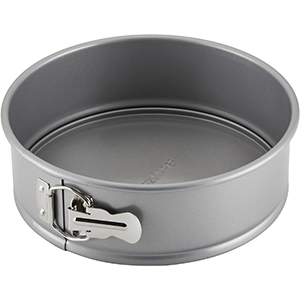
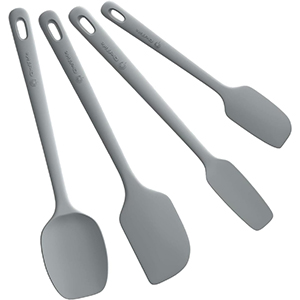
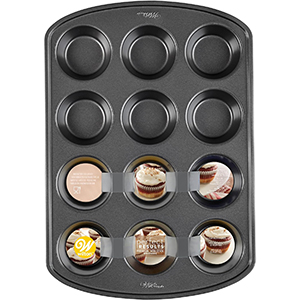
Here’s your baking supply starter pack:
Springform Baking Pan
Silicone Spatula Set
Muffin Tin
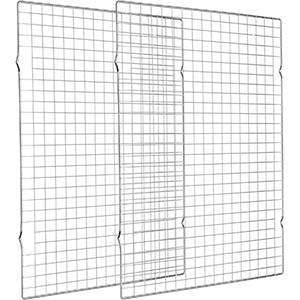
Cooling racks
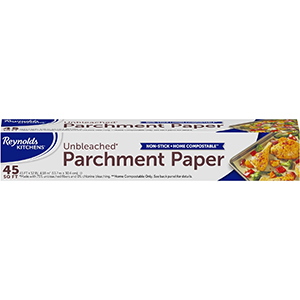
Unbleached Parchment Paper
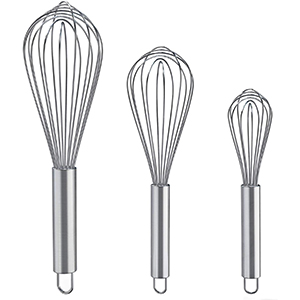
Whisks
18. Food Storage Containers
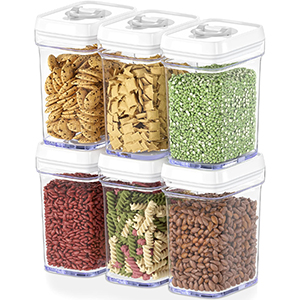
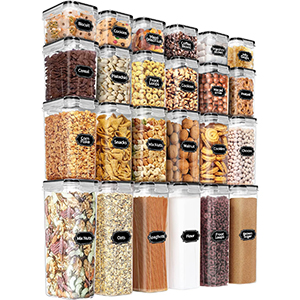
Airtight containers in various sizes keep dry goods fresh and organized. Stackable options maximize space, while stylish canisters showcase staples on the counter.
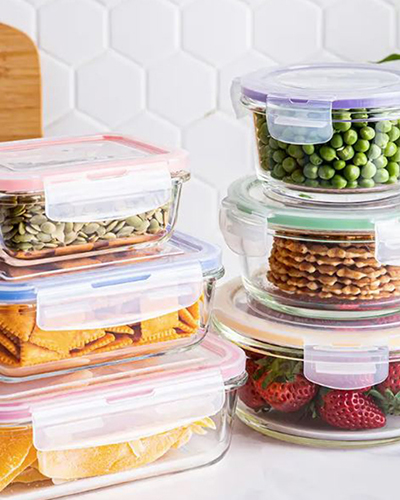
Leftovers and prepped ingredients find their home in stackable, microwave-safe food storage containers.
Airtight Food Storage containers – 6 pack
24 Piece container set
Post you will also love…
No posts