Edible Flowers for a Beautiful Tea Party 🌸
If you’ve ever wondered what kind of flowers are edible, you’re not alone. Various types of edible flowers have been used in cooking for centuries, from herbal teas and syrups to cakes, salads, and elegant tea party spreads.
This guide breaks down the most popular types of edible flowers, how they taste, and how to use them safely and beautifully in food.
Some links on this page are affiliate links.
I may earn a small commission at no extra cost to you.
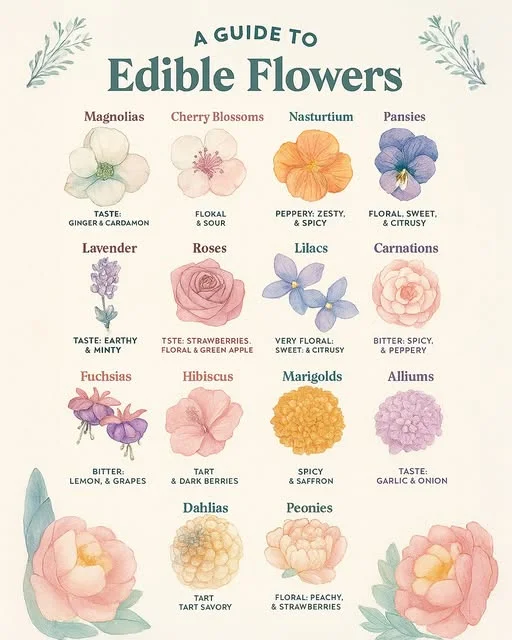
PHOTO Instagram
Because yes, flowers in food are stunning.
But they should also be intentional.
What Kind Of Flowers Are Edible? 🌿
Not all flowers are safe to eat. The key is knowing which varieties are specifically grown and labeled as edible.
Generally, edible flowers fall into these categories:
- Culinary herbs with edible blooms
- Garden flowers traditionally used in cooking
- Certain wildflower species (when properly identified)
- Specialty edible flower varieties grown for food use
Always use pesticide-free flowers and never eat florist blooms.

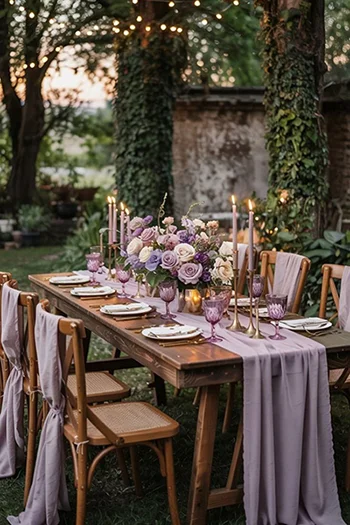
Hosting a Delightful Afternoon Garden Tea Party
Learn how to host a charming garden tea party with tips on creating a beautiful tablescape, selecting delicious treats, and brewing the perfect tea.
Purple Flower Guide 💜
1. Lavender 🌿
Vibe: Softly floral, lightly sweet, slightly herbal, like honey kissed by sunshine with a whisper of perfume.
Use: Baking, syrups, tea blends, shortbread, whipped cream.
Pro Tip: Go easy. A little goes a long way. Too much and you’re eating fancy soap. Infuse, then strain for a smooth flavor.
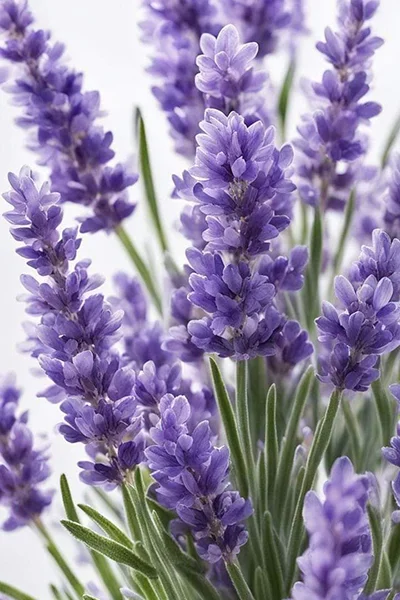
PHOTO Pinterest
Culinary Grade Lavender
Lavender Dust
2. Violets 💜
Vibe: Mild, delicate, gently sweet with a fresh green finish. Subtle and pretty, never loud.
Use: Cake decorating, candying, pressing into cookies, floating in drinks.
Pro Tip: Candy them with egg white and sugar for that vintage tea party sparkle
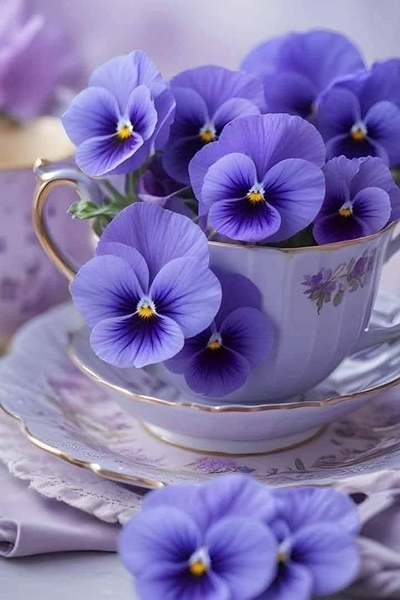
PHOTO Pinterest
Pressed Violets
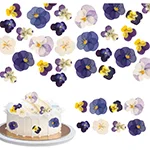
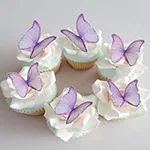
Edible Wafer Butterflies
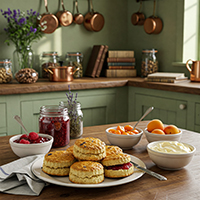
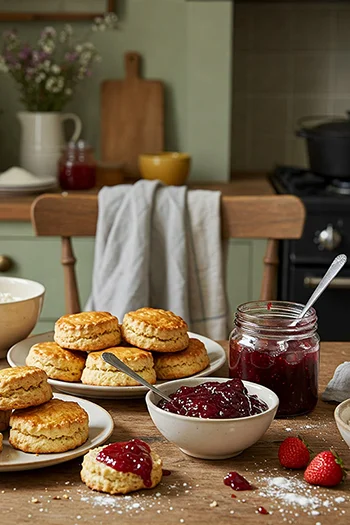
Classic Sweet and Savory Scones Recipes for Your Next Tea Party
This post shows you the best classic sweet and savory scones recipes, including jams, butters and creams.
Ditch the complicated desserts – sometimes the most delightful treats are the classics!
Scones, both sweet and savory, have been gracing tea tables for ages, and for good reason.
3. Purple Basil Flowers 🌿
Vibe: Herbaceous with attitude, perfect for savory slays
Use: Garnish your crostini, caprese skewers, or mini tarts. Adds color and flavor.
Pro tip: Mix purple flowers with green leaves for contrast—your table will thank you.
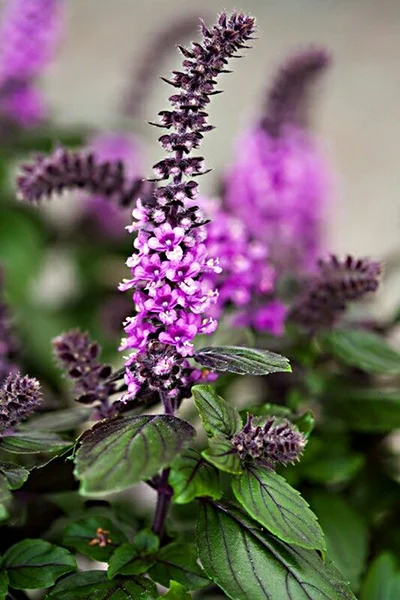
PHOTO Pinterest
4. Borage (Blue-Purple Star Flowers) ⭐
Vibe: Playful, whimsical, a little “look at me!” energy
Use: Float in iced tea, place on desserts, or scatter across serving trays.
Pro tip: Freeze in ice cubes for drinks—it’s like magic in every sip.
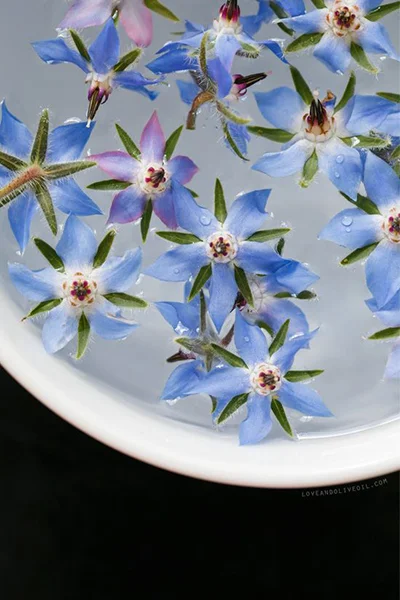
PHOTO Pinterest
5. Pansies 🌸
Vibe: Very mild, slightly grassy, faintly sweet. Mostly here for the drama and the beauty.
Use: Garnishes, salads, butter boards, desserts.
Pro Tip: Press whole pansies into frosting or sugar cookies while still soft. Instant aesthetic upgrade.
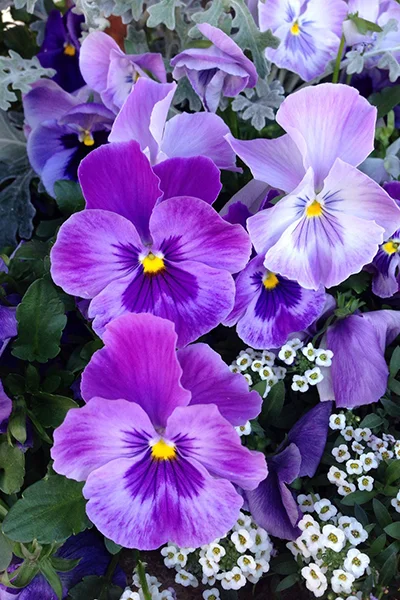
PHOTO Pinterest
6. Allium 💜
Vibe: Mildly garlicky, savory, with a subtle onion-y kick
Use: Garnish savory dishes, salads, cheese boards, or roasted vegetables
Pro Tip: Use sparingly. A little punch goes a long way. Chop finely for delicate flavor and pretty purple blooms on top of dishes
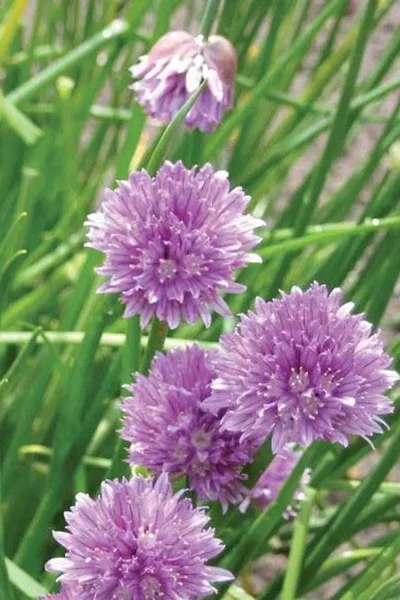
PHOTO Britannica
Pink Flower Guide 🌸
7. Hibiscus 🌿
Vibe: Bold, tart, cranberry-like, bright and juicy with a little tangy punch.
Use: Teas, syrups, glazes, jellies, mocktails.
Pro Tip: Steep longer for deeper color and flavor. It gives that rich ruby-purple tone we LOVE for a Purple Tea Party moment.
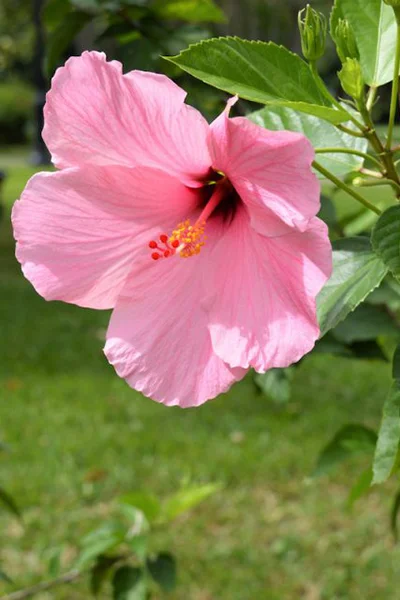
PHOTO Silver Kris
8. Rose Petals🌹
Vibe: Lightly sweet, fragrant, soft and romantic with a delicate honey note.
Use: Syrups, jams, sugar blends, shortbread, cream fillings.
Pro Tip: Always choose unsprayed roses. Grocery store bouquets are not your friend here.
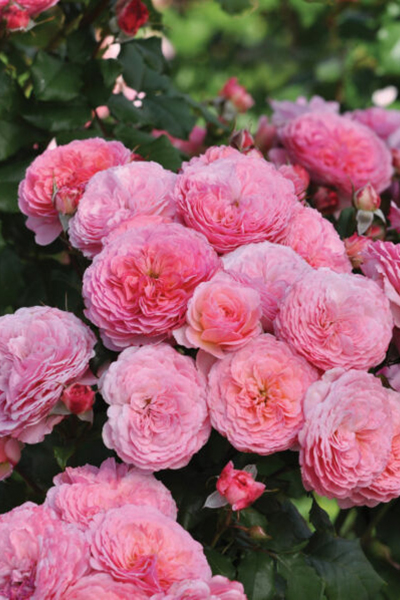
PHOTO Platinum
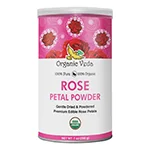
Edible Rose Petal Powder
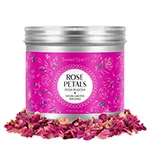
Dried Rose Petals
9. Carnations 💗
Vibe: Lightly sweet, clove-like, softly spicy with a gentle floral finish
Use: Cake decorating, candying, syrups, fruit salads, pressed onto cookies
Pro Tip: Use only the petals — trim away the white base (it’s bitter). Best when lightly sugared or infused for a subtle, romantic flavor
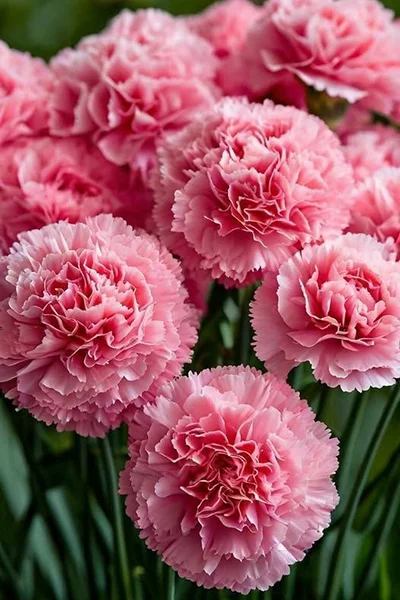
PHOTO Pinterest
10. Cherry Blossoms AKA Sakura 🌸
Vibe: Delicate, subtly sweet, soft almond fragrance
Use: Teas, syrups, cakes, cupcakes, mochi, or sprinkled on desserts 🍵🍰
Pro Tip: Use pesticide-free petals, remove stems, and blanch or lightly salt to soften. Perfect for floating in drinks or topping sweets
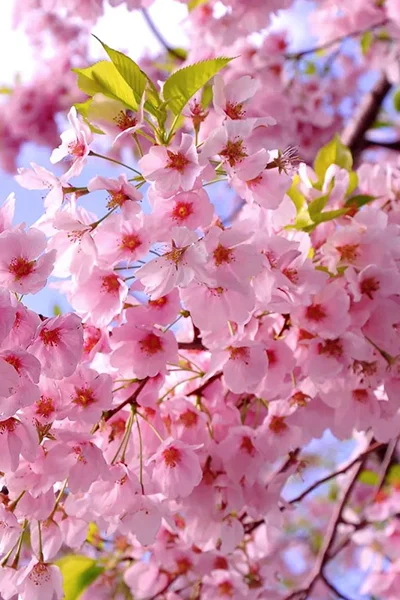
PHOTO Britannica
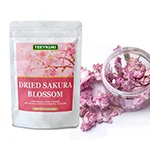
Whole Sakura Blossoms
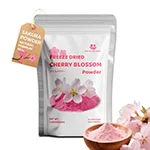
Cherry Blossom Powder
Orange and Yellow Flower Guide 🧡
11. Nasturtiums 🧡
Vibe: Peppery, slightly spicy, radish-like kick with a hint of sweetness underneath.
Use: Savory plates, tea sandwiches, compound butters, salads.
Pro Tip: The leaves are edible too. Same peppery bite. Chop them into soft cheese spreads for a subtle heat.
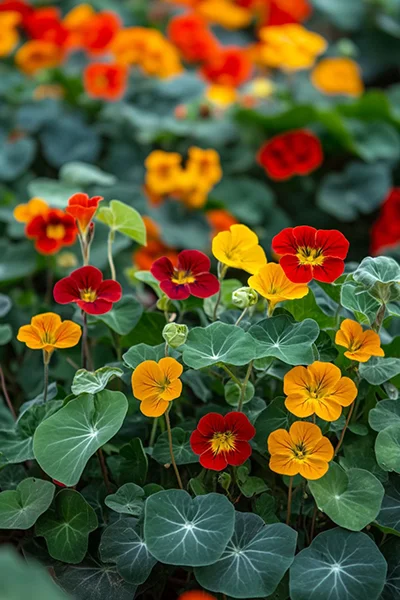
PHOTO Pinterest
12. Calendula 🌼
Vibe: Slightly tangy, lightly bitter, warm and earthy. Sometimes called “poor man’s saffron.”
Use: Rice dishes, butters, savory scones, spreads.
Pro Tip: Use the petals only (remove the bitter center). Sprinkle into butter for golden flecks.
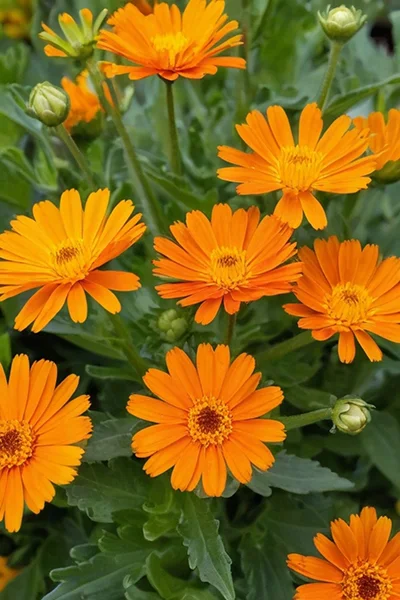
PHOTO Pinterest
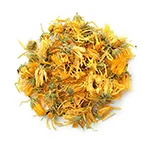
Organic Calendula Flowers
13. Marigold 🌼🧡
Vibe: Bright, slightly citrusy, warm and sunny
Use: Salads, rice dishes, savory tarts, butter, or as a colorful garnish
Pro Tip: Use petals only. The center can be bitter. Sprinkle lightly for a golden pop of color and subtle flavor 💛

PHOTO Pinterest
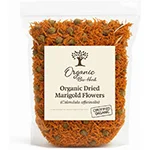
Dried Marigold Flowers
14. Dahlias
Vibe: Mild, slightly sweet, crisp and fresh. Sometimes with a subtle apple or carrot-like note
Use: Salads, dessert garnishes, floating on cakes, dramatic plating moments
Pro Tip: Choose smaller, tender blooms for better flavor. Rinse gently and use petals individually for elegant layering — they’re more about beauty than bold taste
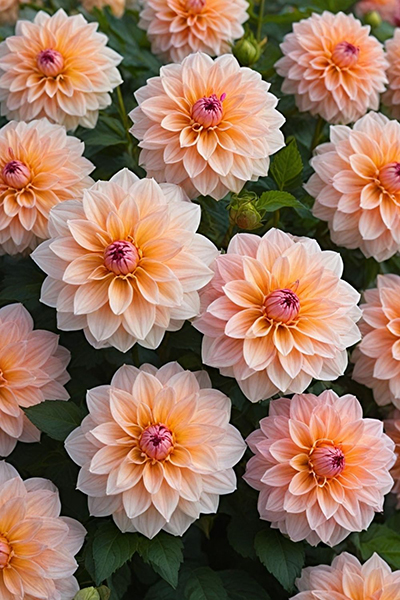
PHOTO Pinterest